Welcome back to OPENING LINES, the interview series that puts playwrights centre stage by diving into the world of new writing and original work. Each interview explores the creative process, the challenges and triumphs of developing new ideas and work for the stage, why new voices and stories are essential to the future of theatre and what the industry is doing to nurture and support new writing.
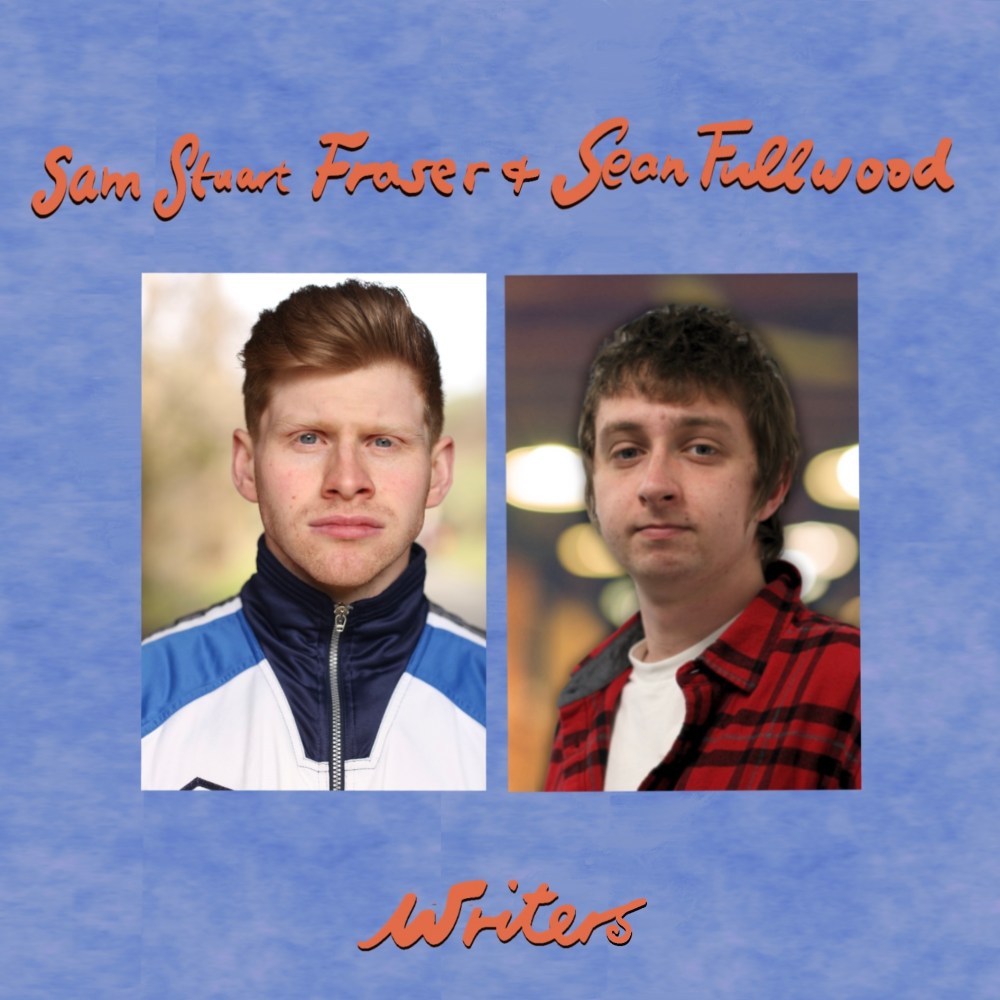
Reporting live from the fringe, I spoke to Sam Stuart Fraser and Sean Fullwood, the writers of F.U.D.S – a play that looks inside the stoner flats of Scotland where three men have the answers to life’s greatest questions. Perhaps in this church of debauchery lies something more holy and transcendent than you can possibly imagine. Perhaps the truth of the corruption of our society is only one psychedelic away from being in your fingertips. They are out to get us. They control every aspect of our existence. They are coming for us one by one. Who are they? F.U.D.S is on until 25th August at Nip at Gilded Balloon Patter House. Tickets available here!
What inspired you to write F.U.D.S?
After covid, things got weird. If menial jobs and social media hadn’t fried our minds, working from home, having minimal social interaction and unlimited screen time certainly did the trick. The start of the 2020’s also seemed like a big boom for online radicals, incel culture, and conspiracy theorists giving rise to anti-vaxxers, anti-maskers and Russell-Branders. The extent of the damage lockdown and social media has had on people will likely be revealed to us in the many years to come, but we wanted to look at characters who like many people our age feel lost, with unlikely futures ahead, dopamine disorders and a sense of dread against the seemingly unstoppable forces that govern every aspect of their lives. We wanted to look at three different responses to these problems in the people I have seen around me. We have Faolan, a young man determined to use the system in his favour, to worm his way up the financial ladder by any means and seize the power he so desperately craves. We have Tinny, a sweet young man who would rather switch off from the whole thing and spend his life playing video games and smoking weed, trying his best to ignore the world burning outside of his window. Then we have Buzz, a man who has suffered from trauma, poverty and addiction who is desperate for change, some control over his future and has subsequently fallen into the pit of conspiracy theories and emerged paranoid, angry and desperate for someone to blame, to fight against.
What does bringing a show to Edinburgh Fringe mean to you? Is this your first time or have you been before?
It’s a huge honour to have your own writing showcased at an event like the Edinburgh Fringe. This is our second year at the festival with this show. After a successful run in 2024 we decided to rename the show and move to a different venue to try and get a new audience in to see it.
Were there any moments during the writing process that surprised you?
Honestly, just how quickly it all came together. We’ve been good friends since starting college together in 2015 and have worked on a number of projects, however, this was our first time writing a show collaboratively. While writing the play, being a comedy, our main goal was to make each other laugh. The surprising thing was that other people found it funny. We bounced off each other so well and just had the best time writing the script, meaning we powered through and wrote it fairly quickly. Although the original draft would have added another 30 mins at least!
As the writers and creators, how did it feel to bring your own words and vision to life on stage?
It’s a kind of surreal feeling, having these characters and this story in your head for such a long time, to then see them alive on a stage and making people laugh and cry. We can’t begin to describe how happy we are with how the characters are coming across, the actors we have in these roles couldn’t be more giving and passionate and that’s a huge privilege.
Did you learn or discover anything about the show during rehearsals that you didn’t expect to?
Some of the relationships in the piece that didn’t come across on the page but do on stage is something that really took us by surprise. We really explore the relationship of Tinny and Faolan as well as Buzz and Faolan. However, through direction and development in the room, we realised Buzz and Tinny have a very strong and actually very moving relationship.
How do you want audiences to think and feel about your show?
It’s a comedy, so obviously we want the audience to have a good laugh, but there’s serious issues that deserve respect. We understand that’s on us to present something nuanced rather than an hour of stereotypes and cheap gags. The play features three characters who could be described as addicts, and through my own experience I’ve come to see the life of an addict as a real life ‘tragic-comedy’ so while I want audiences to have a laugh I also want them to realise that for some people, particularly the young working class, this is their real life.
If you could ask your audience one question after the show, what would it be?
Have you seen the truth?
Do you see yourselves continuing to explore similar themes and topics in your future work?
Aye. Even if we wanted to get away from them, I don’t think we could. You can only write what you know, you know? While similar themes will inevitably be recurring in our writing, I hope that our future work will reflect our own personal growth along with a better understanding of the issues we explore. The next play we’re working on, once again together feels like the logical next step from F.U.D.S, in that it takes a more serious, thoughtful and direct approach and delves much deeper into the world of addiction, crime,mental illness and violence that consumes so many of the under-privileged youth in our country. We want our work to challenge my audiences, so moving forward I will try (perhaps in vain) to use our art to contribute to inciting change by challenging people’s beliefs and perceptions. We want our works of fiction to express some truth and hopefully the audience will feel inspired to do something about it. Failing that, we’ll try our best to make people laugh.
Do the works of other playwrights, writers or theatre-makers influence your own writing? Are there specific writers or plays that have shaped your approach to storytelling?
For sure, some playwrights that come to mind are Anthony Neilson, one of Scotland’s best playwrights. I admire his ability to blend dark subject matter with comedy and elements of absurdism. I also am a big fan of Sarah Kane and her ability to shock and disturb her audience while providing insightful observations on the great subjects of life. I also love her attitude towards writing in that she didn’t worry about the staging of her play and instead left that to the director so she could write freely and tell her stories in a way that was truthful to her, it’s a shame she is no longer with us as I believe we need plays that give people a good kick more than ever now. I also couldn’t talk about my writing influences without mentioning poet and playwright, Kae Tempest. Kae has an incredible ability to spot the extraordinary, the poetry and the ancient tales in ordinary modern life. If you haven’t already, check them out. I will forever be inspired by the power of their writing.
Do you feel that the theatre world is doing enough to support and nurture new writing? If not, what changes would you like to see?
Naw. We can’t say we have a clear idea of what can be done to change this, like all issues of opportunity there are many factors. What we can say is that if we hadn’t been fortunate enough to know the right people at the right time we wouldn’t have had this opportunity to have our writing put on stage like this, regardless of how good the writing is. I would like to see funding from the arts spread further afield and have small and large companies be allowed to take risks and try out new writing. I hope that if we achieve some level of success in the theatre world we will be able to give more young writers the chance that we got, which is so hard to come by these days.

 the theatre gal