After a big interval (v theatrical), OPENING LINES is back! The interview series that puts playwrights centre stage by diving into the world of new writing and original work. Each interview explores the creative process, the challenges and triumphs of developing new ideas and work for the stage, why new voices and stories are essential to the future of theatre and what the industry is doing to nurture and support new writing.
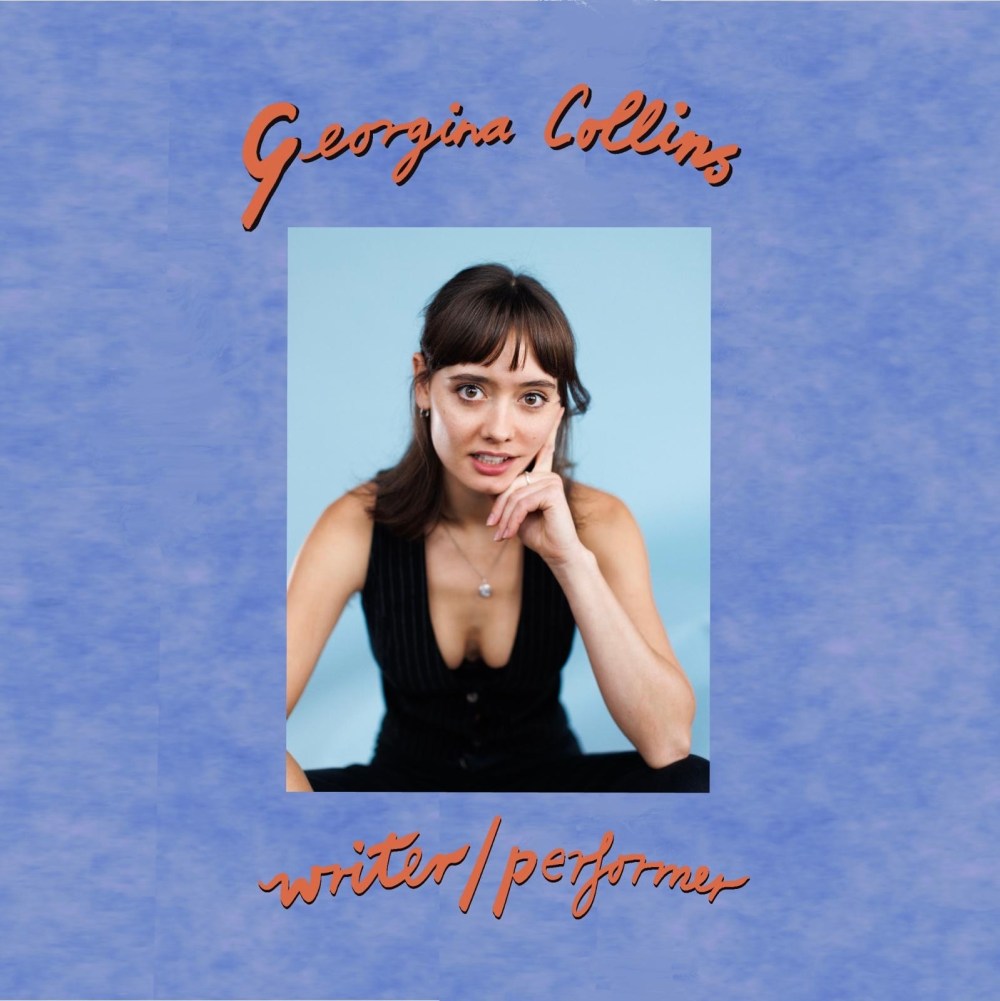
Fringe season is almost upon us, so I spoke to the brill Georgina Collins about her debut play SUCCUBUS, which is heading to Dexter at Underbelly, Bristo Square from 5th – 16th Aug during Edinburgh Fringe. Tickets available here!
SUCCUBUS follows a young woman whose body goes delightfully rogue as her appetite blooms, putting the men in menu. As she navigates medical shrugs, moral chaos and a dawning hunger for power, she discovers others thriving in the dark alongside her. This one-woman show revels in gore, pop-culture parody and unapologetic desire. A coming-of-rage fable with delicious heart, SUCCUBUS invites audiences to savour a richer, wilder vision of feminine possibility. Written and performed by Georgina Collins, directed by Grainne Robson, produced by Halfway Productions.
What inspired you to write SUCCUBUS?
I was diagnosed with PMDD in my mid-twenties and experienced many of the same symptoms that my anti hero faces in SUCCUBUS. The most frustrating part was that every symptom, no matter how painful, emotional or completely baffling, seemed to come with the same answer: “It’s hormones.” Okay, sure. But what happens next?
We have huge amounts of knowledge, investment and treatment pathways for many areas of hormonal health, but women’s hormonal conditions are still so often misunderstood or dismissed. The problem isn’t that these symptoms exist, it’s that they so often end with a shrug. There’s still a huge gap between women experiencing these symptoms and having meaningful support or solutions.
I wanted to explore how dramatically a woman’s body would have to change before people stopped dismissing it as “just hormones”? How about a flesh-eating demon.
What does bringing a show to Edinburgh Fringe mean to you? Is this your first time or have you been before?
This is my first Edinburgh Fringe, both as a performer and as an audience member, so I’m throwing myself into the deep end. It will be a real baptism of fire, but that’s part of what makes it so exciting. It’s been really reassuring speaking to other first-time performers and realising how many people are taking that leap too. There is something incredibly special about bringing a completely new piece of work into such a huge creative melting pot.
I’m equally excited to have the opportunity to watch theatre all day every day with other drama nerds. I’m hoping to feel right at home.
Were there any moments during the writing process that surprised you?
I started writing SUCCUBUS as a series of short sketches, mostly inspired by real conversations and experiences I’d had navigating the medical system. Naturally, it was difficult to separate myself from the character at first. For the avoidance of doubt, I am not a cannibalistic demon.
There is a lot of me in her, our frustrations, our sense of humour and what, but surprised me most was how quickly she became her own person. She makes choices I never would, and now it genuinely feels like I’m stepping into someone else’s skin every night. Which is reassuring, considering she murders and eats people.
Having eyes on the script has also been invaluable, throughout every step of development. Zara Jayant continues to work as our script editor and dramaturg to ensure the story and arc of the character remain coherent to the structure and world of the show. When you’re so close to a piece of work, it’s easy to get lost in the details or become attached to ideas that might not serve the story, the version of SUCCUBUS you see at the Fringe would not exist without her. ❤
As the writer and creator, how did it feel to bring your own words and vision to life on stage?
Terrifying, honestly. It’s my debut show, so there’s nowhere to hide if the jokes don’t land or the story completely misses the mark. Our R&D process has been super helpful thus far, but with new work you don’t really know what you’ve made until it’s in front of an audience.
We sold out our first preview, and chatting to people afterwards was probably the most rewarding part. Hearing from people with PMDD who recognised the character’s emotional and physical changes, the frustration of navigating the medical system, and all that rage was incredible. It was a huge relief to realise I wasn’t alone in those experiences. Equally, I loved hearing from people who came to it from completely different perspectives and still found something that resonated.
That’s been the nicest surprise, that a show about a flesh-eating demon has turned out to be quite relatable.
Did you learn or discover anything about the show during rehearsals that you didn’t expect to?
I learnt how easily you can get trapped by your own ideas. You become so convinced a scene, joke or bit of staging has to work that you can end up completely missing a better solution.
Script reads and friendly WIPs were invaluable because sometimes all it takes is one person saying, “Have you tried this?” to pull you out of tunnel vision. Killing your darlings is never easy, but every time I let go of something I was clinging to, the show got stronger.
How do you want audiences to think and feel about your show?
At its heart, SUCCUBUS is a comedy. Our anti hero uses humour to disguise some pretty diabolical behaviour, but beneath all the gore she’s someone who’s desperate for connection. She feels isolated, misunderstood, and convinced there’s something fundamentally monstrous or wrong about her. I’d love for audiences to be able to see themselves in her, the good, bad and the ugly.
I was actually a little surprised by how many people told me they felt slightly nauseous after our first previews, but I guess I have written the show largely to my own tastes. In the spirit of managing expectations: this is a show about cannibalism. Dead dove: do eat.
If you could ask your audience one question after the show, what would it be?
Feeling hungry?
Do you see yourself continuing to explore similar themes and topics to those in SUCCUBUS in your future work?
I love writing dark comedy. It’s where I feel most at home, and it’s something that’s always found its way into my burlesque too. I think humour gives audiences permission to engage with subjects that might otherwise feel too uncomfortable or overwhelming.
The themes of SUCCUBUS are quite specific to this story, but I do love exploring everything women are never supposed to be. I hope that’s something I’ll continue to channel in future work.
Do the works of other playwrights, writers or theatre-makers influence your own writing? Are there specific writers or plays that have shaped your approach to storytelling?
Cult horror has probably been my biggest influence. Diablo Cody’s Jennifer’s Body was a huge inspiration for SUCCUBUS, particularly in the way it explores female sexuality, autonomy, and “friendship” through the language of horror. Even parts of the costume design took inspiration from that world (shoutout to Katia Stano).
I’m also really interested in the idea of the monstrous feminine, allowing women to become the thing patriarchal narratives have always warned them not to be. The “hysterical” woman doesn’t need fixing; she evolves into her final form. That’s why I’ve loved seeing films like Curry Barker’s Obsession find such huge audiences. It feels like people are hungry for female monsters with agency, humour and complexity, and I can’t wait to keep exploring that on stage.
From a theatre perspective, seeing Invasive Species by Maia Novi at the King’s Head Theatre was probably the moment I finally gave myself permission to write SUCCUBUS. Her seamless shifts between direct address, narration and fully embodied scenes had a huge influence on the rhythm of my own storytelling.
Do you feel that the theatre world is doing enough to support and nurture new writing? If not, what changes would you like to see?
I appreciate not all new theatre has the opportunity to debut at Edinburgh Fringe, but what I was honestly unprepared for was the cost.
If it wasn’t for the incredible generosity of people who supported our crowdfunding campaign and Halfway Productions, SUCCUBUS wouldn’t be going to Edinburgh. I work a regular 9 to 6 alongside acting and cabaret, and even then it’s been a huge financial undertaking. We applied for funding, but it’s an incredibly competitive landscape.
The UK has an extraordinary theatre scene and an outstanding pool of emerging artists, but it’s becoming harder for people without financial privilege to make work. I’d love to see continued investment in the arts and more opportunities for early-career artists to develop and share new writing. We risk losing brilliant stories if making theatre becomes something only a few people can afford.